


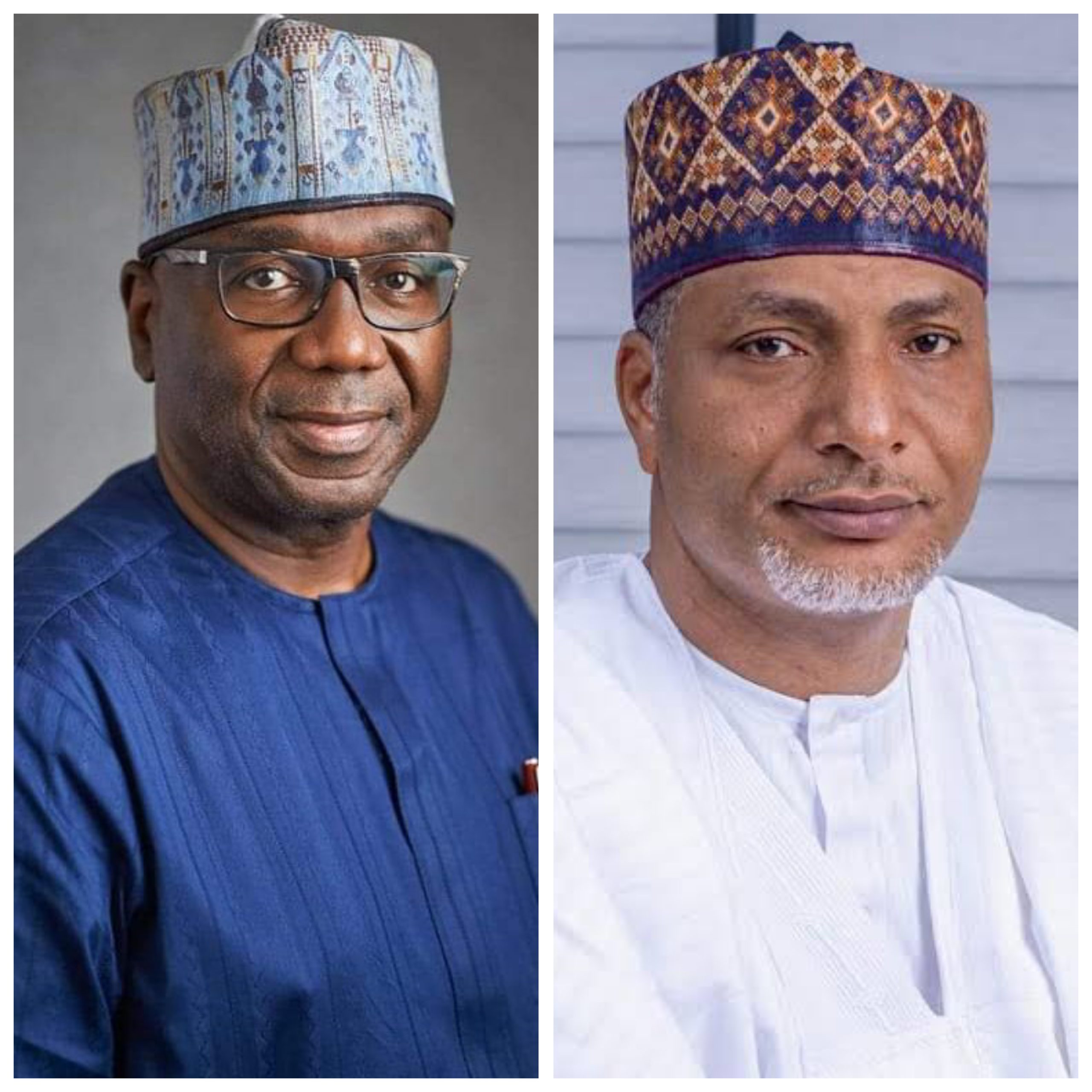
Governor AbdulRazaq is approaching the end of his second and final gubernatorial term, while Senator Saliu Mustapha is seeking another opportunity to represent Kwara Central in the 11th National Assembly. Their ambitions are legitimate under the democratic process.
Mustapha pursued the APC governorship ticket, but eventually went to the Speaker of Kwara State House of Assembly Hon. Yakubu Danladi Salihu, and the APC nominated AbdulRazaq for the Kwara Central Senate seat. The serving Senator left the party and secured PDP ticket for the same seat. These developments have generated questions about internal democracy, political agreements and the management of competing ambitions within the ruling party.
the gospel truth is that when political arrangements collapse, politicians often describe the process as a betrayal of principle. But when the same arrangements favour them, they celebrate the party leadership and face the opposition with massive energy.
This is a major reason why nobody should be exempted from public scrutiny. If Sen. Mustapha believes the APC failed to respect internal democracy, he should explain precisely what went wrong, provide evidence where necessary and demonstrate how his new political platform will deliver a better democratic culture.
If Gov. AbdulRazaq believes he deserves the Senate seat, he should explain what qualifies him for the job beyond his eight years tenure in the State House.
Sen. Mustapha has expressed confidence that he can defeat AbdulRazaq at the polls even before 1pm.
When political allies become political enemies, the people must ask whether the fight is about public service, political survival, or the control of power.
The confrontation between Governor AbdulRahman AbdulRazaq and Senator Saliu Mustapha over the Kwara Central senatorial seat in the 2027 general election raises questions as the political atmosphere in Kwara State has entered a defining phase ahead of 2027 poll.
ABDULRAZAQ’S SENATE AMBITION: A NEW CHAPTER OR A CONTINUATION OF POWER?
The governor’s supporters may argue that his experience in executive leadership could be valuable in the National Assembly. His opponents, however, may question whether eight years in the Government House should automatically translate into the Senate.
The Senate is not a retirement home for outgoing governors, just as it is not the exclusive preserve of career legislators. It is a legislative institution whose members must represent their constituents, scrutinise government spending, contribute to lawmaking and hold the executive accountable.
If AbdulRazaq seeks the seat, voters should ask what he intends to accomplish as a senator that he could not achieve as governor. What legislation will he prioritise? How will he address unemployment, education, infrastructure, healthcare and the economic pressures facing households in Kwara Central?
And how will he respond to legitimate criticism from constituents who may disagree with his record?
The governor’s eight years in office should be a source of evidence for public evaluation, not a substitute for it.
Likewise, Mustapha’s experience as an incumbent senator should not shield him from questions about his legislative performance.
SALIU MUSTAPHA’S DEFECTION: PRINCIPLE OR POLITICAL NECESSITY?
Political principles are most convincing when they remain consistent, even when the outcome is unfavourable. The public should therefore examine the evidence behind Mustapha’s explanation, the circumstances of his defection and the commitments he makes to voters under the PDP.
If Mustapha wants Kwarans to believe that his movement represents a struggle for accountability and inclusion, he must offer more than a new party logo and a declaration of opposition to the governor. He must present a clear legislative agenda, measurable commitments and a convincing explanation of how his experience in the Senate will benefit the district.
THE QUESTION OF POLITICAL AGREEMENTS MUST NOT BE SWEPT UNDER THE CARPET
Reports have also raised questions about an alleged one-term understanding involving Mustapha’s earlier Senate tenure and his political ambitions. Mustapha has disputed the character of the alleged agreement, saying his understanding was connected to his governorship ambition rather than the binding arrangement suggested by critics.
This issue deserves a factual, transparent discussion.
If a political agreement existed, what exactly did it say? Who were the parties? Was it a formal written agreement, a political understanding or merely an informal conversation?
The public should not convict anyone based on an unverified document or partisan interpretation. Equally, politicians should not expect voters to ignore legitimate questions about lcommitments made in the course of seeking public office.
If the document exists, its authenticity and precise wording should be established. If the parties disagree about its meaning, their respective explanations should be heard. Democracy cannot thrive on rumours presented as established facts.
The most provocative question in this entire saga is not whether AbdulRazaq can defeat Mustapha or whether Mustapha can defeat AbdulRazaq.
This is it: Why should the political future of an entire senatorial district be reduced to a confrontation between two powerful men?
If this is a battle for the people, let the people be the judges. If it is a battle for political supremacy, Kwarans must refuse to pay the price for somebody else’s ambition.
The ballot belongs to the people. The seat belongs to the people. And the mandate must always answer to the people.
About Author





Leave a Reply