


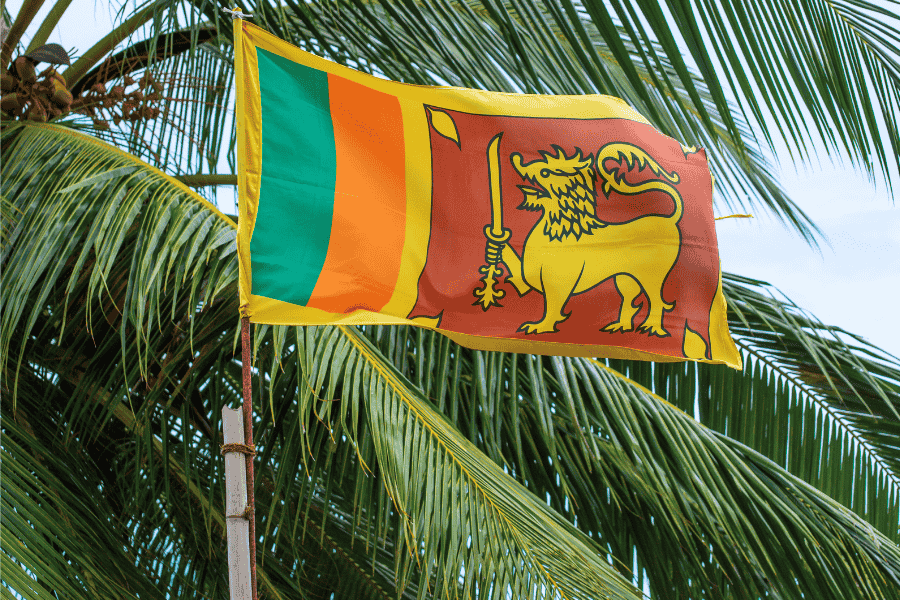
A few weeks ago, Sri Lanka woke up to an old fear wearing a new face — the fear of water running out. The wells that once echoed with the steady splash of buckets now stood silent, their damp rims drying into rings of memory. Women who had drawn water there for generations looked into the darkness and saw something unsettling: the future staring back at them.
In the Dry Zone, where life has always been a delicate negotiation with the sun, the earth is cracking earlier each year. What used to be a rhythm — rain, harvest, rest — has become an unpredictable dance of waiting. The skies hold back their blessings, only to later unleash storms powerful enough to drown a season’s hopes.
Across other regions, swollen rivers swallowed bridges and flooded ancient pathways. One side of the island thirsted; the other drowned.
This is no longer a “natural cycle.” This is climate change, rewriting the rules.
A Thousand Years of Wisdom Under Stress
Sri Lanka’s ancestors built reservoirs that shimmered like inland seas and channels so intricate that modern engineers still marvel. This ancient water civilization assumed one truth: nature would follow patterns. But now, even these time-tested systems strain under the pressure of climate extremes. Tanks run low. Canals run muddy. Wells turn brackish. And communities who depend on every drop find their days shaped by uncertainty.
The Unequal Weight of a Changing Climate
For many in cities, a tap that slows may be an inconvenience. But in rural communities, especially in the recent crisis zones, water scarcity is not a nuisance — it is a threat. It means walking farther under a ruthless sun. It means choosing which crops to save and which to abandon. It means giving children half of what they should drink so the elders can have enough.
This is where the concept of climate justice becomes more than a slogan.
Those who suffer most in Sri Lanka’s water crisis are the ones who contributed least to the global climate problem. Farmers with tiny plots. Families living on daily wages. Women managing households on shrinking supplies. Their carbon footprints are shadows compared to those of industrial giants — but their suffering is painfully real.
A New Kind of Courage
And yet, amid the dry wells and flooded villages, resilience blooms.
Communities gather to restore old watercourses. Schools teach children how to harvest rain. Local leaders push for climate-resilient water systems that honour both science and tradition. International partners support projects that strengthen rural water supplies and protect drinking sources during droughts.
Every one of these acts — small or grand — is a declaration:
We refuse to be passive victims of a crisis we did not create.
Toward a Just Future
Sri Lanka’s recent water struggles remind the world of something simple and profound: water is not just a resource. It is life, dignity, memory, and hope. To protect it is not just an environmental duty — it is a moral one.
Climate justice means ensuring that every child in every village can open their palms to clean water. It means demanding accountability from global polluters while empowering local communities. It means honouring the wisdom of the past and embracing the innovations of tomorrow.
The wells will fill again — they always do.
But whether they remain full, whether the future flows with fairness, will depend on how courageously Sri Lanka and the world answer this moment.
If you’d like, I can shorten this, make it more academic, turn it into a speech, or rewrite it as a first-person diary entry from someone living in the Dry Zone.
Lanka’s Dry Well Tell A New Climate Story
A few weeks ago, Sri Lanka woke up to an old fear wearing a new face — the fear of water running out. The wells that once echoed with the steady splash of buckets now stood silent, their damp rims drying into rings of memory. Women who had drawn water there for generations looked into the darkness and saw something unsettling: the future staring back at them.
In the Dry Zone, where life has always been a delicate negotiation with the sun, the earth is cracking earlier each year. What used to be a rhythm — rain, harvest, rest — has become an unpredictable dance of waiting. The skies hold back their blessings, only to later unleash storms powerful enough to drown a season’s hopes.
Across other regions, swollen rivers swallowed bridges and flooded ancient pathways. One side of the island thirsted; the other drowned.
This is no longer a “natural cycle.” This is climate change, rewriting the rules.
A Thousand Years of Wisdom Under Stress
Sri Lanka’s ancestors built reservoirs that shimmered like inland seas and channels so intricate that modern engineers still marvel. This ancient water civilization assumed one truth: nature would follow patterns. But now, even these time-tested systems strain under the pressure of climate extremes. Tanks run low. Canals run muddy. Wells turn brackish. And communities who depend on every drop find their days shaped by uncertainty.
The Unequal Weight of a Changing Climate
For many in cities, a tap that slows may be an inconvenience. But in rural communities, especially in the recent crisis zones, water scarcity is not a nuisance — it is a threat. It means walking farther under a ruthless sun. It means choosing which crops to save and which to abandon. It means giving children half of what they should drink so the elders can have enough.
This is where the concept of climate justice becomes more than a slogan.
Those who suffer most in Sri Lanka’s water crisis are the ones who contributed least to the global climate problem. Farmers with tiny plots. Families living on daily wages. Women managing households on shrinking supplies. Their carbon footprints are shadows compared to those of industrial giants — but their suffering is painfully real.
A New Kind of Courage
And yet, amid the dry wells and flooded villages, resilience blooms.
Communities gather to restore old watercourses. Schools teach children how to harvest rain. Local leaders push for climate-resilient water systems that honour both science and tradition. International partners support projects that strengthen rural water supplies and protect drinking sources during droughts.
Every one of these acts — small or grand — is a declaration:
We refuse to be passive victims of a crisis we did not create.
Toward a Just Future
Sri Lanka’s recent water struggles remind the world of something simple and profound: water is not just a resource. It is life, dignity, memory, and hope. To protect it is not just an environmental duty — it is a moral one.
Climate justice means ensuring that every child in every village can open their palms to clean water. It means demanding accountability from global polluters while empowering local communities. It means honouring the wisdom of the past and embracing the innovations of tomorrow.
The wells will fill again — they always do.
But whether they remain full, whether the future flows with fairness, will depend on how courageously Sri Lanka and the world answer this moment.
If you’d like, I can shorten this, make it more academic, turn it into a speech, or rewrite it as a first-person diary entry from someone living in the Dry Zone.
About Author





Leave a Reply